

Individuals

Traditional or Roth? A Fresh Look at Your 2026 Retirement Contributions

Retirement Contributions for 2026: Plan Now, Avoid a Year-End Scramble As year-end approaches, retirement contributions deserve a place on your tax-planning checklist. Whether you contribute through an employer’s 401(k), fund an IRA, or maintain a retirement plan for your business, reviewing your options now can help you avoid missed deadlines and identify potential tax savings.


Taxpayers Are Turning to IRS Offers in Compromise—but Fewer Are Succeeding

An offer in compromise can give someone with an unmanageable tax debt a path forward. But the latest IRS figures show a difficult trend: taxpayers submitted more offers in fiscal year 2025 than in 2023, while the IRS accepted far fewer in the last decade. That reflects some of what we are seeing in our

Philadelphia’s BIRT Proposal: Small-Business Relief or a Tax-Planning Opportunity?

Philadelphia’s Proposed BIRT Exemption: Small-Business Relief With Two Big Questions Philadelphia’s small businesses need meaningful tax relief. But a proposal to exempt sole proprietors and single-member LLCs from the Business Income and Receipts Tax, commonly known as BIRT, raises two important questions: Would the exemption withstand a PA constitutional challenge? And could it create tax-saving

When Disaster Hits, Your Records Can Make or Break a Tax Deduction

Disasters can destroy more than property. They can also destroy the records needed to support an insurance claim or a tax deduction. A recent Tax Court case is a reminder that even when the damage is undeniable, the amount claimed must be documented. The number of costly U.S. weather and climate disasters has risen sharply.

The 1099 Reporting Threshold Is Now $2,000: What Small Businesses Should Know for 2026

Small-business owners who pay independent contractors have an important administrative change to keep in mind for 2026: the federal reporting threshold for many Forms 1099-NEC increased from $600 to $2,000. That may reduce the number of forms some businesses file next January, but it does not eliminate the need for good vendor records, completed W-9

Trips, Clothing, and Celebrity Events: The Profit Test Behind Influencer Tax Deductions

Social-media influencing can be a legitimate business. Income may come from brand partnerships, affiliate links, platform payments, merchandise sales, appearances, subscriptions, consulting, or advertising revenue. But having followers—or simply posting photos and videos—does not automatically turn personal spending into deductible business spending. The tax authorities might consider it as a hobby and disallow those related

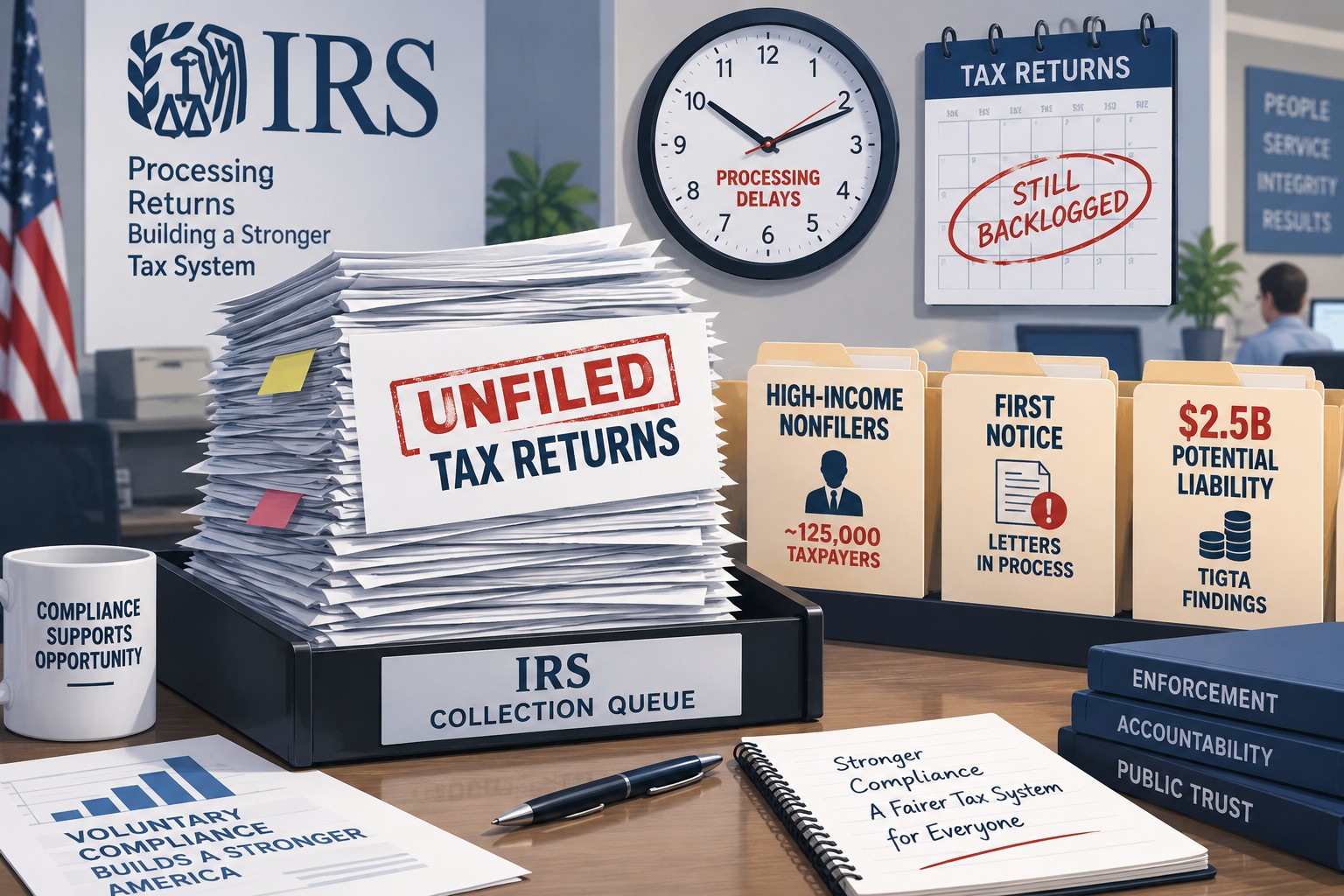
IRS Collection Backlog Puts High-Priority Nonfiler Cases in the Spotlight

IRS nonfiler cases: Delays and renewed enforcement A recent Treasury Inspector General for Tax Administration (TIGTA) review highlights a significant issue in the IRS’s efforts to pursue high-income taxpayers who have not filed required federal tax returns. The findings also reinforce an important practical point: a delayed IRS notice should never be mistaken for a

IRS Scam Alert: Fake “Digital Asset Portal” and IRS letters to Crypto holders

The IRS is warning taxpayers about fake letters aimed at cryptocurrency holders. The letters claim you must register for an IRS “Digital Asset Compliance Portal” by a deadline—but that portal does not exist. The letter may include a QR code that takes you to a fake website designed to look like IRS.gov. Do not scan

By |2026-09-24T02:58:41+00:00September 7th, 2026|Categories: Individuals|Tags: , , , , , , , , , , , |

Billing Real Work, Not “Fake Hours”: AI, Circular 230, and Modern Tax Pricing

Artificial intelligence is changing how tax and accounting professionals work. Across the profession, firms are using AI in general ways to improve efficiency, speed up research and drafting, and streamline internal workflows, but those efficiency gains do not change a practitioner’s ethical duties under Circular 230. This matters most in one area clients understand immediately:

IRS Penalty Relief Goes Automatic: Two Concerns You Shouldn’t Ignore

The IRS’s new Automatic Exemption from Penalty (AEP) is meant to help “good” taxpayers—but it also takes away some useful flexibility and control that we’ve had under First‑Time Abatement (FTA). What AEP does, in plain English Starting with 2025 returns and 2026 quarterly payroll returns, the IRS will automatically skip certain penalties—failure to file, failure

By |2026-07-09T21:46:35+00:00July 9th, 2026|Categories: Business, Individuals|Tags: , , , , , , , , , , |
Go to Top