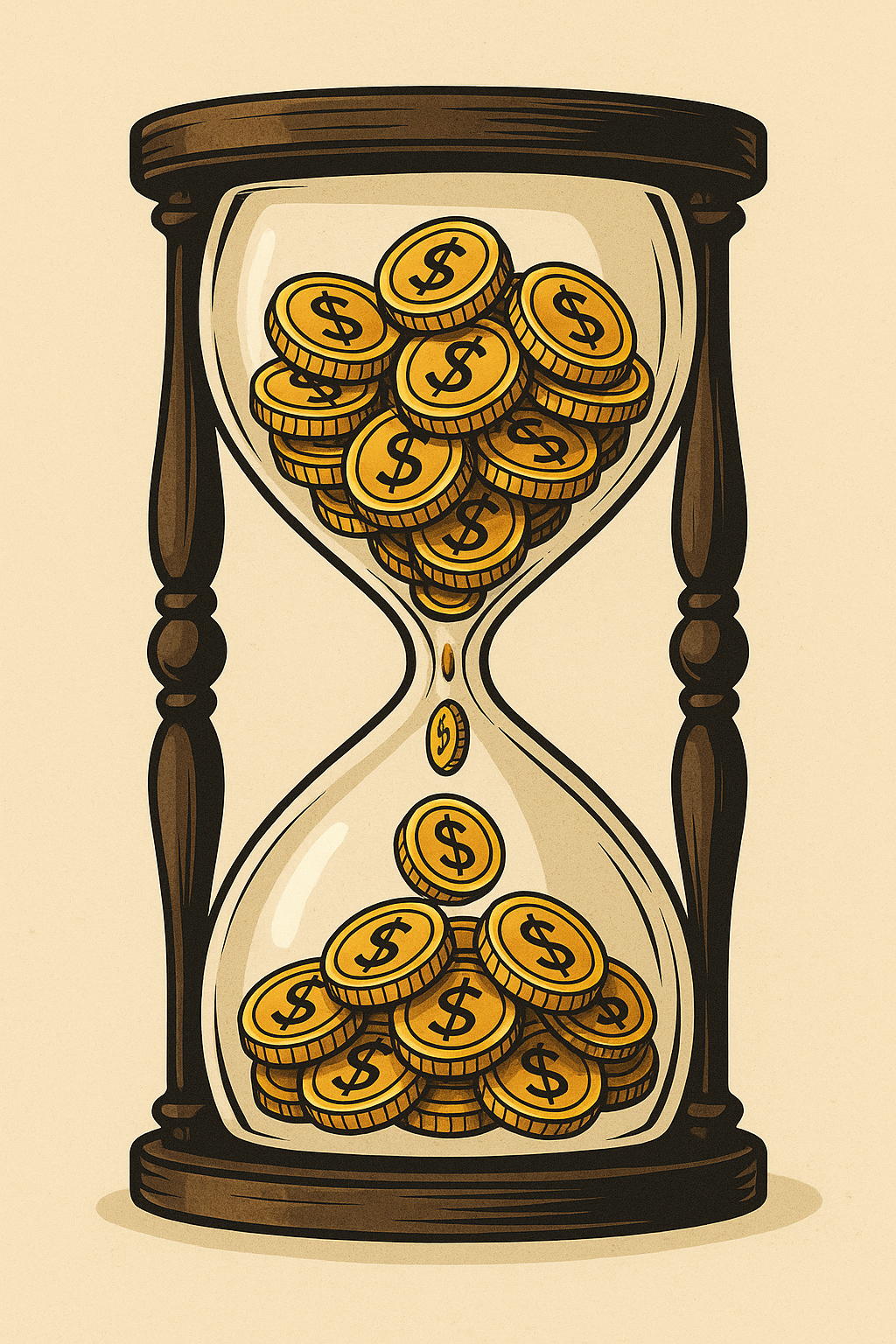
As the year wraps up and everyone’s busy before New Year’s Eve, the IRS has one more reminder for those with retirement accounts: Required Minimum Distributions (RMDs).
If you’re age 73 or older (or turning 73 this year), most tax-deferred retirement accounts — traditional IRAs, 401(k)s, 403(b)s, etc. — require you to take a minimum distribution before December 31. Think of it as a holiday deadline that’s not optional.
🔔 Why RMDs Matter Before December 31
- Missing the deadline can be costly. Fail to take your RMD and you could face significant IRS penalties.
- Avoid “double RMD” income next year. If this is your first RMD year and you wait until April of next year, you’ll take two in the same tax year — which could bump you into a higher tax bracket or increase Medicare premiums.
- Get ahead of holiday bottlenecks. Custodians get busy in late December. Paperwork delays are not the kind of Christmas surprise anyone wants.
🧾 Quick How-To: Taking Your RMD
- Confirm the amount based on last year’s Dec. 31 balance and the IRS life-expectancy table.
- Check all accounts. IRAs can often be aggregated; employer plans cannot.
- Submit your withdrawal request early to your plan administrator or custodian.
- Decide what to do with the funds:
- Take as cash
- Transfer to a taxable investment account
- Consider a Qualified Charitable Distribution (QCD) — a great option for those wanting to give and reduce taxable income
- Keep your records. You’ll receive Form 1099-R showing the distribution.
🎁 Year-End Planning Tip
Taking your RMD at the last minute is still better than facing IRS penalties next year. At GG CPA Services, we’d much rather help you keep more money in your pocket — or direct it to a charity you care about — than see it go to unnecessary penalties or extra tax bills.
