

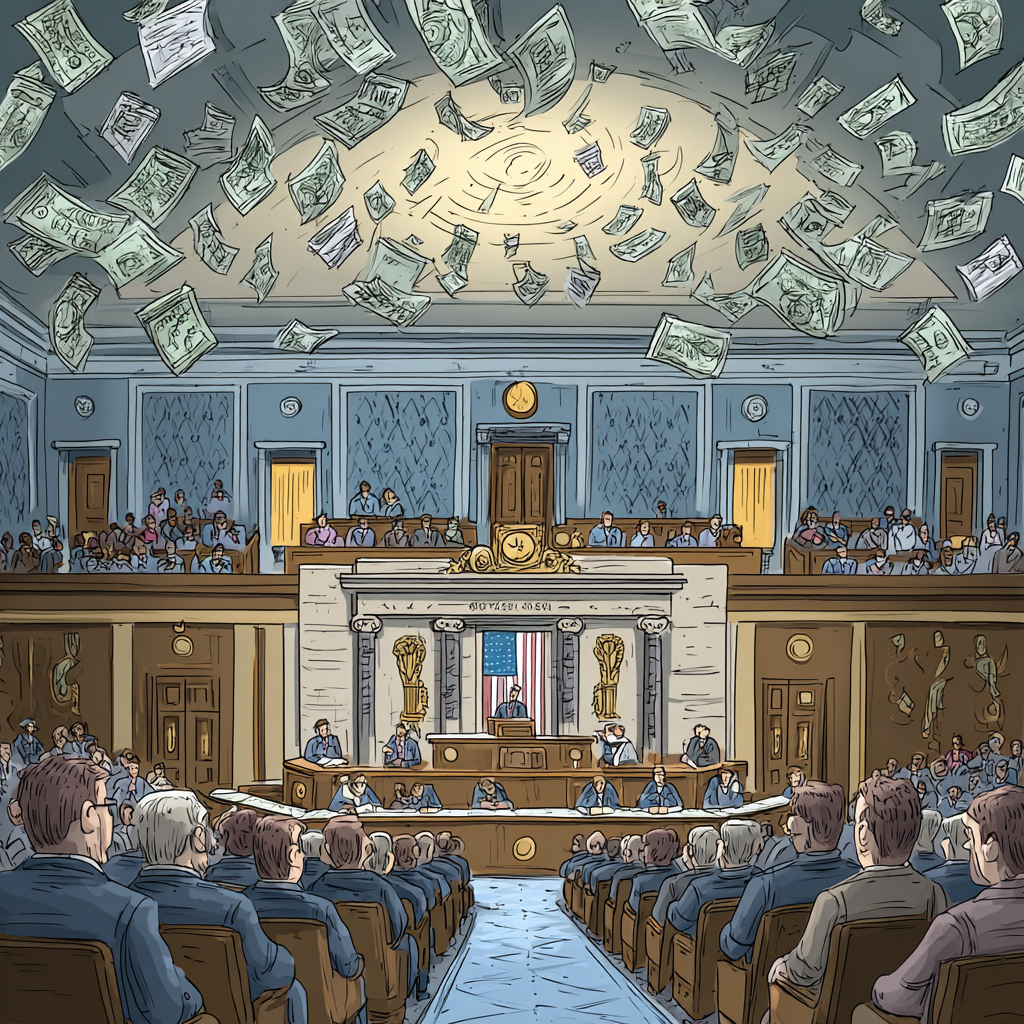
The House just passed a bill much more restrictive in IRS funding that Trump’s administration proposal back in June 2025. Based on different sources, the bill allocates just $9.5 billion to the IRS—a 23% reduction from current funding levels. By comparison, even the Trump administration’s June proposal had suggested a $9.8 billion budget—already a 20% cut.
The main items impacted would be:
- Longer IRS Wait Times & Slower Processing: Expect delays in phone support, in-person help, and potentially slower refund processing and audit resolutions. Lately, even the Practitioner Priority Service had significant delays or lack of knowledge from some of the IRS agents.
- Reduced Oversight Could Favor High-Income Filers: With cuts to enforcement, audits of businesses and individuals taxpayers may decline. The IRS has expressed that there will be a focus on AI driven audits and accuracy / completeness from third party information in their systems (i.e. 1099k, 1099s, w2s, 1098s, etc.)
- Free Filing Options Shrinking: Should Direct File be eliminated after 2025, clients may face increased reliance on paid tax-prep services unless using Free File or Vita programs.
- Transparency Requirements: The bill mandates quarterly updates on staffing and spending—look for changes to service availability or enforcement shifts. The more frequent and detailed these updates are, the better positioned we’ll be to anticipate and plan for the impact.
We’ll continue to monitor these developments closely and share updates as they unfold—stay tuned for more.
Bloomberg article- House Panel Advances Bill to Cut IRS Enforcement Funding
Federal News article – House lawmakers advance steeper IRS cuts than what Trump proposed
