

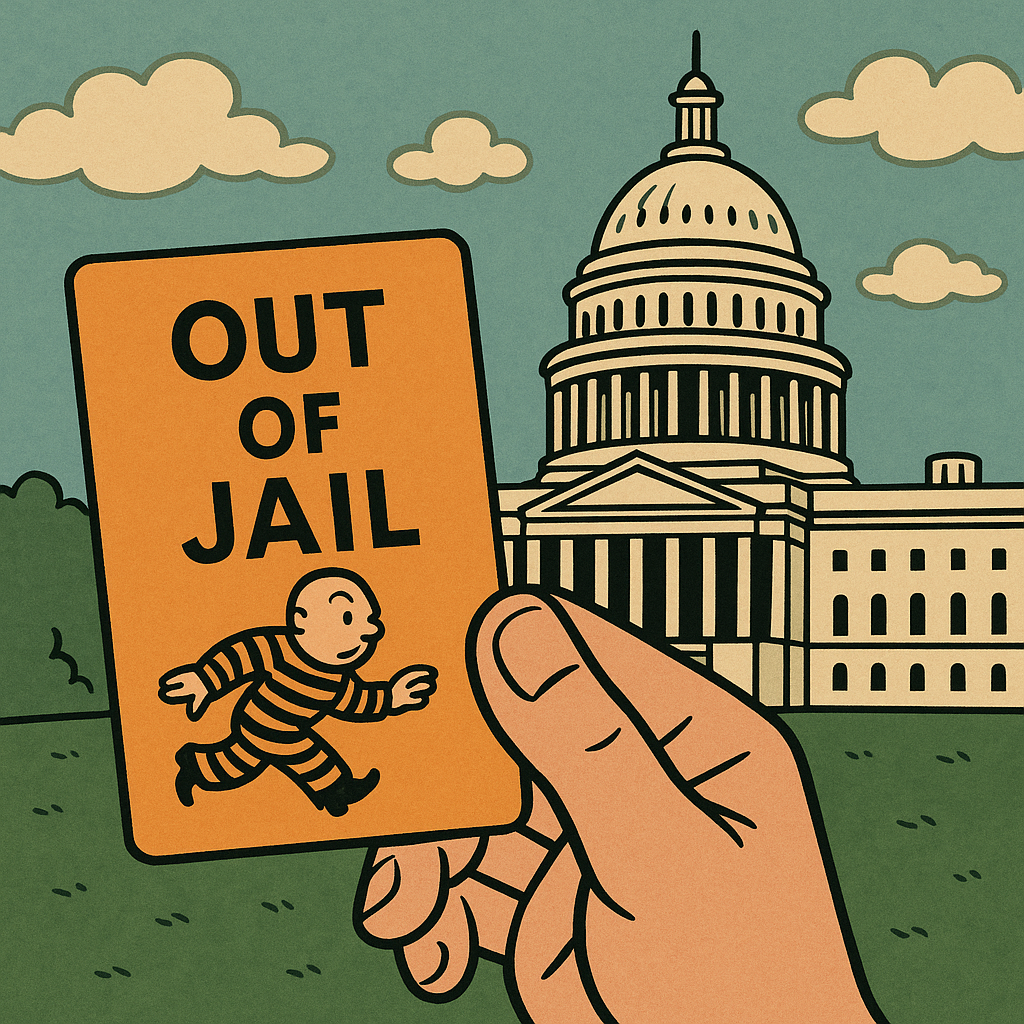
As we wrap up another year and prepare our checklists for 2026 tax season, it turns out the IRS has been working on its own New Year’s resolutions. And no, it’s not planning to “eat healthier” — but it is promising to be more forgiving.
Thanks to the One Big Beautiful Bill Act (OBBBA), one of the most impactful changes coming for taxpayers in the new year is an expanded automatic penalty relief program — commonly referred to as the First-Time Abatement. This change may positively affect more than a million taxpayers nationwide.
At GG CPA Services, we make numerous calls or write letters each year advocating for this exact relief on behalf of our clients, so we’ll gladly count this as an early holiday gift from the IRS.
🎁 What Is First-Time Abatement?
First-Time Abatement (FTA) is a form of penalty forgiveness the IRS grants when taxpayers slip up despite having a clean history. It can apply to several common issues, including:
- Failure to file — e.g., a late partnership or S corporation return that can trigger steep penalties
- Failure to pay by the due date
- Failure to deposit (usually payroll-related)
In plain English: If it’s the first time you’ve had a hiccup — and your tax compliance record is otherwise solid — the IRS may wipe the penalties clean. Think of it as the IRS version of, “We’ve all been there — let’s try again.”
How Does the IRS Grant Relief?
The IRS primarily bases forgiveness on your history of timely filings and payments. If you’ve consistently filed and paid on time, and this lapse was an exception rather than a pattern, you might qualify. Most FTAs are granted over the phone when the IRS agent confirms eligibility. However, there’s also a more formal route through Form 843 — Claim for Refund and Request for Abatement. This filing in writing can be used to provide additional details and present reasonable cause for penalty removal.
Why This Matters
For many small businesses — especially partnerships and S corps — a late filing can mean thousands of dollars in penalties. Expanded automatic relief under the OBBBA could spare eligible taxpayers that burden without long phone calls, appeals, or drawn-out correspondence. Yes, it’s a holiday miracle (albeit one that comes with footnotes and IRS guidance updates).
Our tax team at GG CPA Services stays closely tuned to these developments — especially as the IRS releases new instructions under the OBBBA penalty relief framework.
