

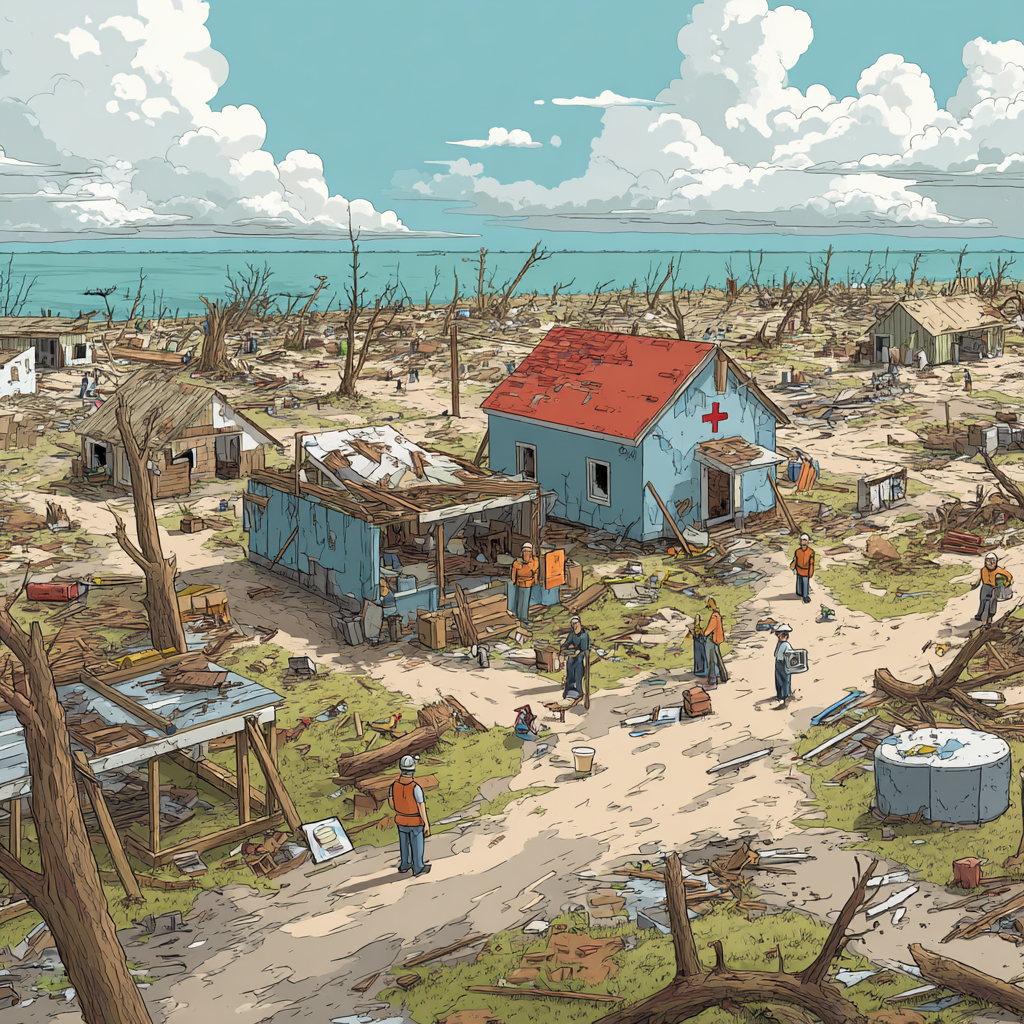
In recent years, natural disasters have become more frequent and more severe—bringing not only emotional and physical challenges, but also financial and tax consequences. While recovery takes time, understanding the IRS rules for disaster relief and knowing how to respond financially can make a meaningful difference. From extended deadlines and potential deductions to making sure your charitable donations truly reach those in need, being prepared from a tax perspective is an important part of resilience.
Some of the important items to remember from a tax point of view are
- When the President declares a federal disaster, the IRS has authority to postpone certain taxpayer and IRS deadlines – o This may include deadlines for filing returns, paying taxes, submitting refunds/claims, appeal notices, etc.
- Even if the IRS has not (yet) issued discretionary relief, taxpayers in disaster areas often get a required 60-day postponement once the President declares the disaster.
- The affected taxpayers are the ones whose primary residence, business, work, etc. are in the impacted area (specific ZIP codes).
- The designation of the disaster zone unlocks certain tax relief provisions:
- Automatic deadline extension as mentioned above
- Casualty loss deduction for disaster related property losses (you can even deduct the loss on the prior’s tax return for quicker refund)
- Penalty and interest relief
- Access to retirement funds with penalty-free early withdrawals
- IRS administrative relief waiving fees or expediting requests (i.e. transcripts, copies of returns, etc.)
If you are thinking on helping either volunteering your timer, donating some items (i.e. clothes, toys, etc.) or making a financial contribution, you should keep in mind the following:
- Verify Charities – Use the IRS Tax Exempt Organization Search Tool before donating to make sure the charity is legitimate and qualified for tax-deductible contributions (careful with impersonation or misleading websites)
- Avoid Suspicious Payment Methods – Be wary if a charity asks you to donate by gift cards, cash only, or wire transfers—these are often signs of scams. Using checks or credit cards is safer.
- Get Receipts & Recordkeeping (support your deduction) – Always get a receipt for your donation, keep bank or credit card statements, and maintain documentation so you can substantiate the donation on your tax return.
Stay safe, and remember: being prepared is always the best way to protect yourself and your family.
Link IRS – Publication 547 (2024), Casualties, Disasters, and Thefts
Link The Tax Adviser – 5 things to know about tax relief for federal disasters
Link IRS Tax tip 2025 – Ways to help and what to look out for when donating after a disaster
